Common & Unexpected Tyre Damage And Proven Solutions
When a vehicle is in motion, tires are the only component in contact with the ground, encountering numerous unexpected situations and various types of accidental damage.
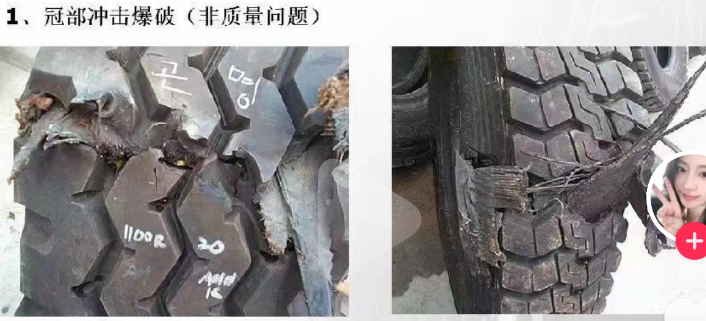
Tire Tread Explosion Issues
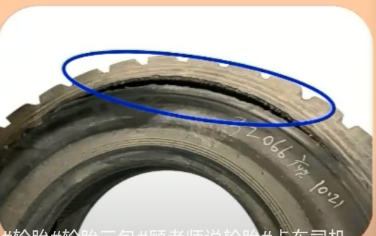
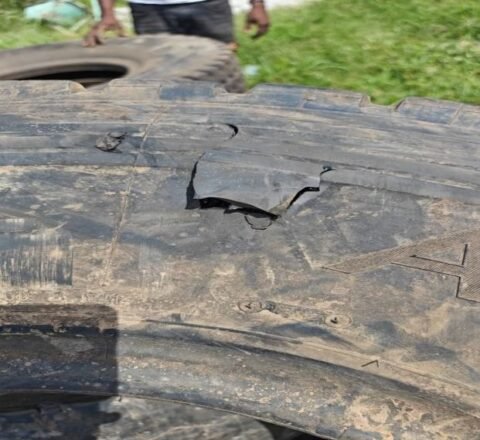
Overloading the vehicle and driving at high speed over edge-like potholes (sharp drop-offs or abrupt bumps) can cause tread impact explosions or bead-cut explosions.
Solution:
Reduce the load appropriately.
Lower the vehicle speed to 5–10 km/h when crossing edge-like potholes or uneven road surfaces.
Tire Crushing Issues
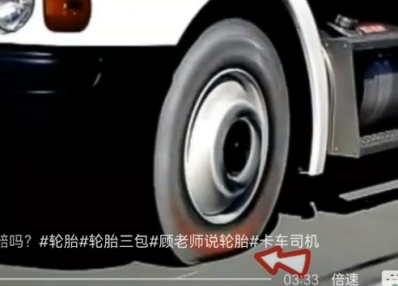
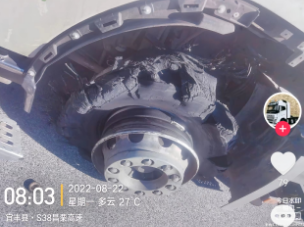
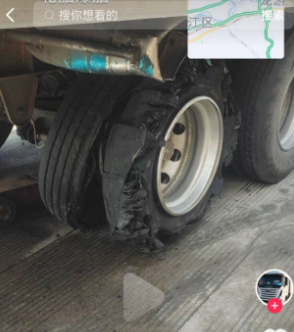
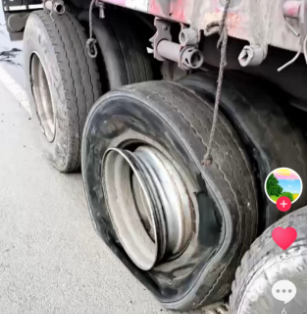
During driving, insufficient tire pressure or external factors such as scraping, foreign objects piercing the tread, or stones stuck between dual tires can cause air leakage or deflation. If the driver fails to notice in time or ignores the issue and continues driving for an extended period, it can lead to tire crushing. In severe cases, the tire may shred completely, and the worst-case scenario could result in a fire.
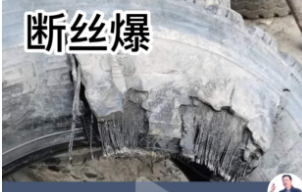
Zipper Burst
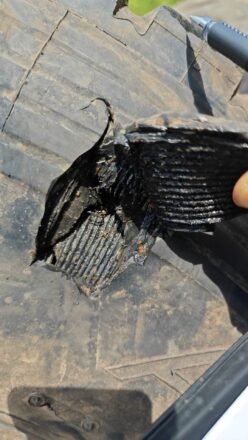
The main cause is prolonged driving with deflated tires, combined with inadequate driver inspections or delayed detection. This can lead to internal steel wires breaking and the tire carcass losing strength, making it unable to withstand the required pressure.
Warning: When inflating or re-inflating a deflated tire, always stay away from the tire to avoid injuries in case of a zipper burst.
Prevention and Solution
• Regularly and promptly check whether tire pressure meets the specified standards. • Encourage drivers to take responsibility and develop the habit of inspecting tires before trips.
Tire External Damage Issues
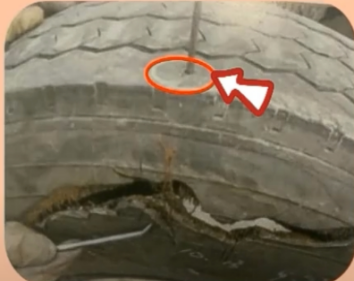
Punctures
Scrapes and Cuts
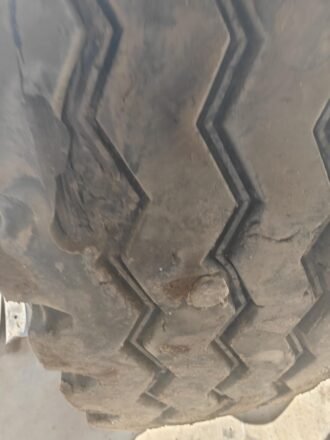
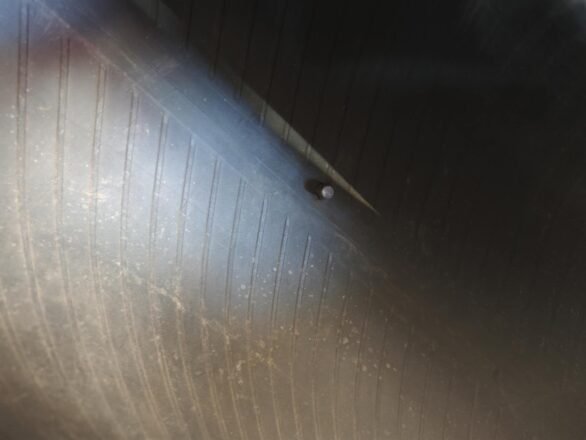
Punctures typically occur on the tread area when the tire comes into contact with foreign objects on the road, such as nails, metal shards, glass, or other debris.
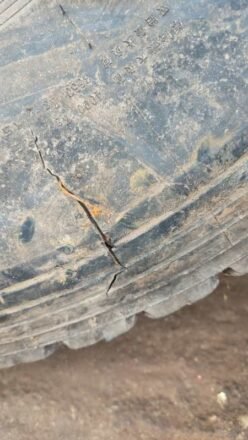
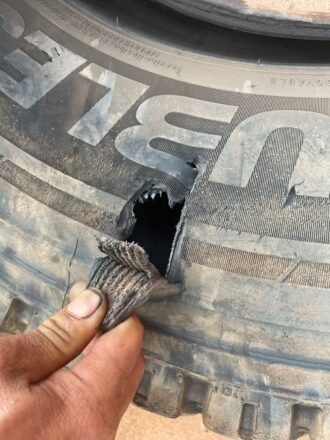
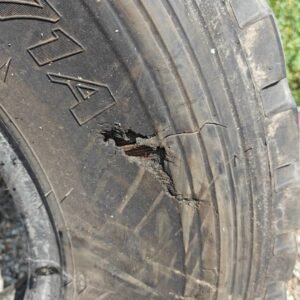
These injuries typically occur on the sidewall of the tire. During driving, the tire sidewall can scrape against the road surface or large stones in potholes, leading to minor steel wire breakage. The tire injury manifests as vertical cracks and visible friction marks on the sidewall rubber.
Prevention Method
Train drivers to stay aware of road conditions while driving, allowing them to spot and avoid debris on the road in time.
Scrapes and Cuts
These injuries typically occur on the sidewall of the tire. During driving, the tire sidewall can scrape against the road surface or large stones in potholes, leading to minor steel wire breakage. The tire injury manifests as vertical cracks and visible friction marks on the sidewall rubber.
Prevention Method
Train drivers to stay aware of road conditions while driving, allowing them to spot and avoid debris on the road in time.
Stone Trapping Between Dual Tires
This injury typically occurs on the sidewall of the tire. During driving, stones trapped between the rear dual tires cause significant damage, resulting in large-area rubber abrasion on the tire sidewall and extensive steel wire breakage. The wound is larger compared to scrapes and cuts, with more steel wires broken.
Prevention Method
Train drivers to stay alert to road conditions while driving, enabling them to spot and avoid road debris in time.
Reminder to drivers: If the tire experiences punctures, scrapes, cuts, or stone trapping, stop immediately and replace with a spare tire.
This prevents the tire from suffering further crushing damage.
It avoids driving on a single tire. The vehicle’s rear axle is designed with dual tires to increase load capacity and safety. When one tire is damaged, the other tire may bear an excessive load, and if the vehicle continues driving without replacing the damaged tire, the remaining tire may burst. In severe cases, this could lead to a rollover or even a fire, resulting in significant economic losses.
The damaged tire, if not subjected to further crushing damage, can be repaired through a professional hot vulcanization process and reused, thereby reducing tire replacement costs.